Less distance.
More each other.
We match you with a registered couples therapist who specialises in relationships - matched to the dynamic between you, the patterns that keep pulling you apart, and what you are both reaching for.
Helping couples understand each other more deeply, communicate more honestly, and build a relationship that genuinely feels safe for both partners. Our registered therapists bring clinical training, experience, and warmth to every session - so you both leave feeling truly heard.
(What You Might Recognise)
Common reasons couples
seek therapy.
Some couples arrive fighting the same fight on a loop. Others have gone quiet, a distance neither can name. For some it’s a breach of trust, or simply life - kids, change, pressure - grown too heavy to carry. If any of this sounds like you, you’re not failing, and you don’t have to find your way through alone.
Pick what feels familiar


Communication breakdowns
I try to explain how I feel, but somehow it never comes out right.
We help you both feel understood, so the words finally land the way you mean them.
Breaking the Cycles That Pull You Apart,
Building What Brings You Together
Every relationship develops its own patterns - and some of those patterns stop serving you. We match you with a therapist trained in evidence-based approaches for couples, and together you choose what fits your specific dynamic - reviewing what is working as you go.
Emotionally Focused Therapy (EFT)
Rebuild the emotional connection and security that conflict or distance has eroded. EFT helps you both understand the deeper attachment needs driving your patterns - and reach each other in new, more meaningful ways.
Gottman Method
Strengthen how you communicate, manage conflict, and understand each other in daily life. Evidence-based tools drawn from decades of relationship research help you build a friendship as strong as your commitment.

Attachment-Based Therapy
Understand the patterns you each bring from your histories - and how they shape the way you respond to each other. What creates closeness between you, and what creates distance, often has deep roots worth understanding together.
Conflict Resolution & Communication
Learn practical skills to navigate disagreement without defensiveness, blame, or shutdown. Build the tools to move through hard conversations as partners - not as opponents trying to win.
Emotionally Focused Therapy (EFT)
Rebuild the emotional connection and security that conflict or distance has eroded. EFT helps you both understand the deeper attachment needs driving your patterns - and reach each other in new, more meaningful ways.
Gottman Method
Strengthen how you communicate, manage conflict, and understand each other in daily life. Evidence-based tools drawn from decades of relationship research help you build a friendship as strong as your commitment.
Attachment-Based Therapy
Understand the patterns you each bring from your histories - and how they shape the way you respond to each other. What creates closeness between you, and what creates distance, often has deep roots worth understanding together.
Conflict Resolution & Communication
Learn practical skills to navigate disagreement without defensiveness, blame, or shutdown. Build the tools to move through hard conversations as partners - not as opponents trying to win.
(Your Couples Therapy Plan)
Two people.
One shared direction.
Relationships don't struggle because you chose the wrong person.
They struggle because patterns go unrecognised. Therapy helps you find a new way through - together.

01
See the Pattern Between You
We begin by mapping the negative cycles that keep pulling you apart - the moments that escalate into conflict, the silences that grow into distance, and what is underneath both. Understanding the pattern is the first step to changing it.
What repeats between you can be understood - and changed.
02
Reach Each Other Differently
Learn to express what you feel and need in ways your partner can actually hear - and to truly hear them in return. This is where you practise softening defensiveness and hearing each other - at your own pace.
Being truly heard by the person you love changes everything.
03
Rebuild What You Both Need
Strengthen trust, emotional safety, and intimacy as you practise new ways of connecting. Build the practical tools and communication skills to navigate future challenges together - as a team, not as opponents.
Every new way of reaching each other, you practise together.
04
Keep Choosing Each Other
Before therapy ends, you review the communication tools you have practised together - so you both know how to keep working with them, and keep choosing each other.
You chose each other. Now you know how to keep choosing each other.
(The Many Faces of Relationships)
Every relationship is different.
So is the support it needs.
Couples arrive for a handful of recognisable reasons - the same argument on repeat, distance where closeness used to be, a breach of trust, a decision about whether to stay, or wanting the groundwork right before a marriage. Choose the one closest to yours to see what it is, and how we help.
Talk without it turning into a fight
Communication issues happen when the way you and your partner talk starts to hurt more than it helps, so the same disagreements keep going in circles. You might feel unheard, criticised, or shut out, while your partner feels the same from their side. It is one of the most common reasons couples reach out, and it is very workable.
What it can feel like
- Small talks escalate into arguments
- One or both of you shut down
- You feel unheard or dismissed
- The same fight keeps repeating
How therapy helps
Therapy slows the conversation down and, using tools like the Gottman Method, helps you both listen, soften how you raise concerns, and feel understood again.


(Together We'll Focus On)
Your therapist works
with both of you.
Our relationship specialists take time to understand the dynamic between you - the patterns you have both fallen into, the moments where connection breaks down, and what you are both genuinely reaching for. Because couples therapy only works when both partners feel equally seen.
Understand the cycles you keep returning to - and what is actually driving them
Learn to communicate openly without defaulting to defensiveness, blame, or withdrawal
Rebuild trust and emotional safety so both of you feel genuinely heard
Explore intimacy and connection in ways that genuinely fit who you both are
Build a relationship that feels like a partnership - not a battleground
(Your Care Team)
Meet our experienced
relationship Therapists.
Our couples therapists hold space for both of you - creating sessions where both partners feel equally heard, safe to be fully honest, and genuinely supported in finding a way forward together.
Contact us now
Alexia Carbone
Registered Psychotherapist (Qualifying)
Schedule a complimentary consultation with Alexia Carbone (opens in new tab)Learn more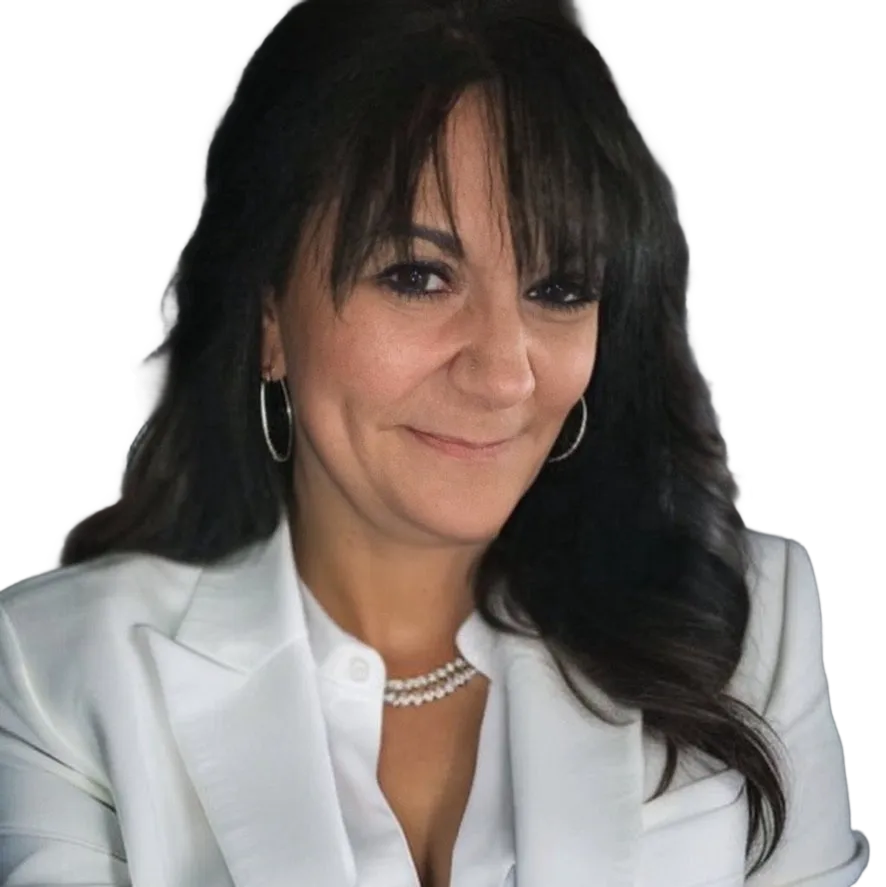
Susan Malek
Registered Social Worker, Registered Psychotherapist
Schedule a complimentary consultation with Susan Malek (opens in new tab)Learn more
Jennifer Miller
Registered Psychotherapist (Qualifying)
Schedule a complimentary consultation with Jennifer Miller (opens in new tab)Learn more(FAQ)
Questions about
couples therapy?

Yes - couples sessions are structured to include both partners. Your therapist may also suggest occasional individual check-ins when that supports the work you are doing together. Both of you matter in the room, and both of you will be heard.
That is one of the most common places couples start. The first session is a chance for both of you to describe the relationship as you each experience it, with a therapist whose job is to make sure both voices get equal room. One partner being uncertain does not mean therapy cannot help - it just means you are human, and this is hard.
Some couples notice shifts early - a conversation that went differently, a moment of actually feeling heard - and others need more time. You and your therapist set the goals that matter to you both and review progress together. Every couple moves at their own pace and every relationship is different. What matters is that you both showed up.
Yes - all sessions are 100% virtual, available anywhere in Canada. You can attend together from the same space or join from separate locations if that feels more comfortable. Many couples find that the privacy and ease of being at home makes it easier to open up. Research suggests virtual couples therapy can be as effective as in-person care for many couples.
Many extended health benefit plans cover sessions with registered psychotherapists and social workers. We'll help you understand your coverage during your intake call - so you can focus on each other, not on paperwork.
(Get Started)
Ready to begin
your healing?
It takes 30 seconds. We match you with care.

Let's talk
Whether you have a question, need guidance, or are ready to begin - we're here. Reach out any way that feels right.
Your privacy matters. Everything you share is kept confidential within the limits of the law.
Leave us a message
We respond within 24 Hrs.