Find calm in the everyday again.
We match you with a registered therapist who specializes in anxiety - to your triggers, your patterns, and your pace. Most clients start within the week.
Helping you quiet anxiety and reclaim your daily life. Our registered therapists bring clinical training, experience, and genuine calm to every session - so you feel capable, not just coping.
(How Anxiety Shows Up)
Anxiety can look like
a voice that won’t quiet down.
Anxiety rarely announces itself as anxiety. More often it shows up as constant overthinking, racing thoughts, panic attacks, broken sleep, avoiding things you used to do, and tension your body won’t let go of. If any of the thoughts below feel familiar, you’re not imagining it, and you’re not alone.
Pick what feels familiar


Constant overthinking
Why did I say that? I keep replaying it over and over.
You can learn to step out of the loop - we’ll show you how.
Breaking the Anxiety Cycle,
Working Toward Steadier Calm
Anxiety isn't one-size-fits-all. We match you with a therapist trained in evidence-based approaches for anxiety, and together you choose what fits your experience of it - reviewing what is working as you go.
Trade Worry for Clarity
Identify and challenge anxious thought patterns, building healthier, more realistic perspectives that replace worry with clarity.
Stop Letting Fear Decide
Build psychological flexibility so you can pursue what matters to you - even when anxiety shows up - instead of letting fear decide what you avoid.

Settle Your Nervous System
Calm your nervous system and break the cycle of physical tension. Grounding, breathwork, and mindfulness techniques bring you out of your head and back into your body.
Take Back What You Avoid
Gradually face feared situations in structured, supported steps - reducing avoidance and breaking the hold anxiety has on what you do, where you go, and who you become.
Trade Worry for Clarity
Identify and challenge anxious thought patterns, building healthier, more realistic perspectives that replace worry with clarity.
Stop Letting Fear Decide
Build psychological flexibility so you can pursue what matters to you - even when anxiety shows up - instead of letting fear decide what you avoid.
Settle Your Nervous System
Calm your nervous system and break the cycle of physical tension. Grounding, breathwork, and mindfulness techniques bring you out of your head and back into your body.
Take Back What You Avoid
Gradually face feared situations in structured, supported steps - reducing avoidance and breaking the hold anxiety has on what you do, where you go, and who you become.
(Your Anxiety Therapy Plan)
A calmer path,
step by step.
Anxiety takes time to unlearn.
Together, we build calm - one deliberate step at a time.

01
Understand Your Anxiety
Together, we'll uncover what sets your anxiety off and what keeps it going - the triggers, the patterns, and the quiet habits that feed the cycle. Naming it is the first step to loosening its grip.
Clarity is the beginning of calm.
02
Rewire How You Think
Learn to catch, question, and reframe the anxious thoughts that fuel worry, avoidance, and spirals. You build a more grounded inner voice - one that responds to reality rather than defaulting to catastrophe.
Your thoughts are not facts - and that changes everything.
03
Calm the Body, Face the Fear
Practical tools - breathwork, grounding, mindfulness - to settle your nervous system when anxiety peaks. Then, guided and supported, you take gradual steps toward what you've been avoiding, rebuilding confidence one small victory at a time.
Each step is gradual - chosen together, at your pace.
04
Build Calm You Keep Practising
Before therapy ends, you and your therapist review the skills you have practised - handling life's stressors and navigating setbacks when they arise - so you know how to keep using them in daily life.
You carry this calm with you, always.
(The Many Faces of Anxiety)
Anxiety isn't one thing.
Neither is our care.
Anxiety takes several recognised forms - generalized anxiety, social anxiety, panic disorder, phobias, health anxiety and more - and each one is treated a little differently. Choose the one closest to yours to see what it is, and how we help.
When worry won't switch off
Generalized anxiety disorder (GAD) is persistent, hard-to-control worry that spreads across many areas of life - work, health, family, money - even when there's no clear reason for concern. Many people describe it as overthinking everything, or as a restless, on-edge feeling that follows them through the day and makes it hard to switch off, relax, or feel truly settled.
What it can feel like
- Constant, uncontrollable worrying
- Feeling restless or on edge
- Trouble sleeping or concentrating
- Tense muscles and fatigue
How therapy helps
Therapy uses structured approaches like CBT to help you notice worry patterns, question anxious thoughts, and build calmer, more grounded daily habits.


(Together We'll Focus On)
Your therapist works
with you, not for you.
Our anxiety specialists work with you to understand your experience of anxiety - its triggers, its patterns, and what you've been doing to cope. Because anxiety looks different in every person. What helps you has to be built around you.
Identify exactly what triggers your anxiety and keeps it running
Understand your body's physical response to anxiety and stress
Build practical tools to calm your mind and nervous system
Regain confidence in the situations anxiety has made you avoid
Feel steadier, clearer, and more in control - every day
(Your Care Team)
Meet our experienced
anxiety Therapists.
Our anxiety therapists bring clinical training and experience, a calm presence, and a genuine investment in your progress - working toward sessions that leave you feeling clearer, more capable, and less alone.
Contact us now
Victoria Nyman
Registered Psychotherapist
Schedule a complimentary consultation with Victoria Nyman (opens in new tab)Learn more
Abby Molloy
Registered Psychotherapist (Qualifying)
Schedule a complimentary consultation with Abby Molloy (opens in new tab)Learn more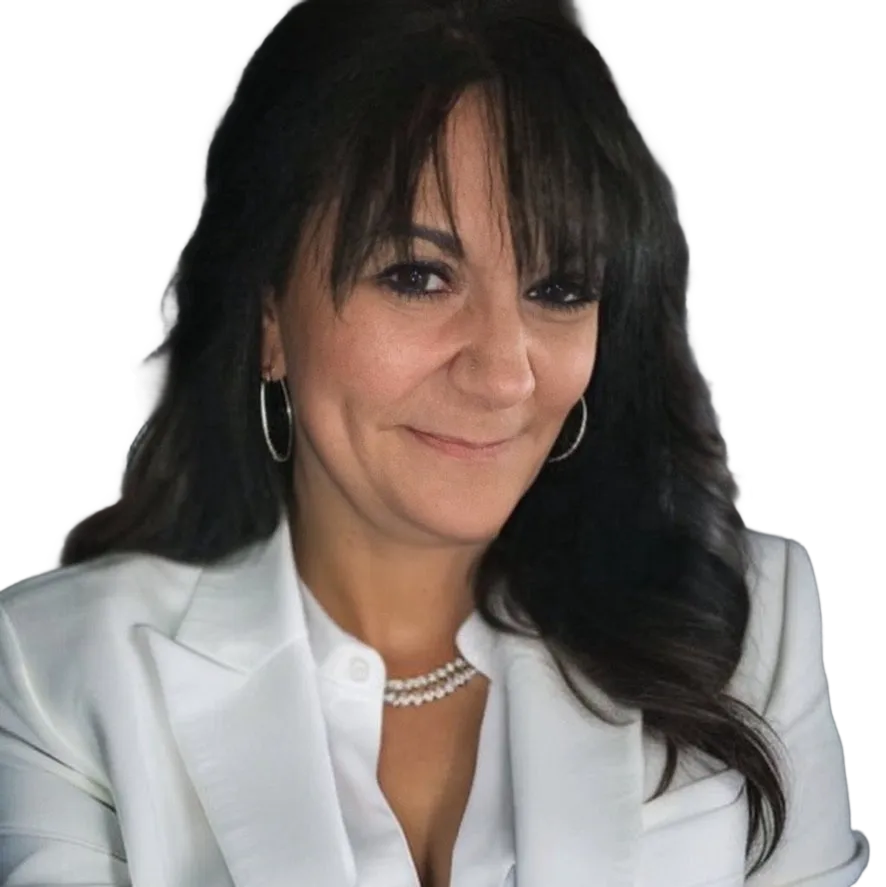
Susan Malek
Registered Social Worker, Registered Psychotherapist
Schedule a complimentary consultation with Susan Malek (opens in new tab)Learn more(FAQ)
Questions about
anxiety therapy?

Everyone moves at a different pace. Some clients notice shifts early - reduced intensity, better sleep, moments where anxiety did not win - and others need more time. You and your therapist set clear, measurable goals together and revisit them session after session, and you step back for a fuller review at regular points. Across 6000+ clients (as of July 2026), our average is 11.5 sessions per client. That is an average and not a rule, and therapy length varies based on individual needs and circumstances. If you're not seeing the change you hoped for, that's information rather than failure, and it tells your therapist the plan needs to change.
That is exactly why we exist. Most people who felt therapy did not work were not matched with the right therapist for anxiety. A poor fit is one of the most common reasons therapy stalls - so matching is where we start. Your therapist has specific training in anxiety, and your sessions are built around the goals you set - not open-ended exploration with no clear destination.
Yes. All sessions are 100% online, available anywhere in Canada. You attend from the comfort and privacy of your own home - no commute, no waiting room. Research suggests virtual therapy can be as effective as in-person care for many people.
Many extended health benefit plans cover sessions with registered psychotherapists and social workers. We'll help you understand your coverage during your intake call - so you can focus on getting started, not on paperwork.
(Get Started)
Ready to begin
your healing?
It takes 30 seconds. We match you with care.

Let's talk
Whether you have a question, need guidance, or are ready to begin - we're here. Reach out any way that feels right.
Your privacy matters. Everything you share is kept confidential within the limits of the law.
Leave us a message
We respond within 24 Hrs.