Healing is possible,
on your own terms.
We connect you with a registered therapist trained in trauma and PTSD - matched to your story, your pace, and what feels safe for you. You are in control of how much you share and how fast you go. You do not have to relive every detail to heal.
At SolutionFirst Therapy, we help you find safety, steadiness, and a way forward after trauma - at a pace that always belongs to you. Our registered therapists bring trauma-informed training, experience, and genuine warmth to every session, and nothing is rushed - your therapist checks what feels manageable before every step.
(How Trauma Shows Up)
Trauma can stay with you
long after the moment has passed.
Trauma does not always look like one big memory. More often it lives quietly in the body - staying on guard, memories that intrude without warning, feeling numb or far away, sleep that will not come, avoiding the reminders, and never quite feeling safe. If any of the experiences below feel familiar, you are not broken, and you are not alone.
Pick what feels familiar


Always on guard
I can’t fully relax - part of me is always scanning for what could go wrong.
Your body learned to protect you. Together, we help it feel safe enough to settle.
If you are in crisis or thinking about harming yourself, please contact 9-8-8 (Canada’s Suicide Crisis Helpline - call any time, or text 9-8-8) or your local emergency services. Support is available right now, and you do not have to carry this alone.
Gentle, Evidence-Based Paths
Through Trauma and Toward Safety
Trauma is not a weakness or a story you have to keep reliving - it is the body and mind doing their best to protect you. Whether it followed a single event, years of it, your work on the front lines or in uniform, a frightening medical or birth experience, or a relationship that left deep marks, you are in the right place. We match you with a therapist trained in evidence-based, trauma-informed approaches, and together you choose what fits - at a pace you set.
Let the Past Stay in the Past
Using guided eye movements, EMDR helps your brain reprocess painful memories so they lose their charge - without needing to talk through every detail. The aim is for distressing memories to begin to feel more distant and manageable - at your pace.
Help Your Body Feel Safe Again
Trauma can show up in the body, not only in memory - as tension, restlessness, or always being on guard. Somatic, body-based work helps you gently work with those physical responses, so calm starts to feel possible again.

Loosen the Grip of the Memory
Trauma-focused CBT and CPT help you understand how trauma shaped your beliefs about yourself and the world, and gently update the thoughts that keep you stuck - at a pace you control.
Make Peace With Every Part of You
Parts-based and attachment-focused work helps you understand the protective parts of yourself that formed to cope, offering them compassion instead of conflict - so your inner world feels safer and more whole.
Let the Past Stay in the Past
Using guided eye movements, EMDR helps your brain reprocess painful memories so they lose their charge - without needing to talk through every detail. The aim is for distressing memories to begin to feel more distant and manageable - at your pace.
Help Your Body Feel Safe Again
Trauma can show up in the body, not only in memory - as tension, restlessness, or always being on guard. Somatic, body-based work helps you gently work with those physical responses, so calm starts to feel possible again.
Loosen the Grip of the Memory
Trauma-focused CBT and CPT help you understand how trauma shaped your beliefs about yourself and the world, and gently update the thoughts that keep you stuck - at a pace you control.
Make Peace With Every Part of You
Parts-based and attachment-focused work helps you understand the protective parts of yourself that formed to cope, offering them compassion instead of conflict - so your inner world feels safer and more whole.
(Your Trauma Therapy Plan)
Healing in phases,
safety first.
Trauma healing is not rushed - it is built on safety.
Together, we move through it one steady, supported step at a time.

01
Safety & Stabilization
Before anything else, we focus on helping you feel safe, grounded, and steady in your daily life. You will build practical tools to manage overwhelm and calm your nervous system - the foundation everything else rests on.
Safety comes first - always.
02
Understanding Your Trauma
Together, we make sense of how trauma has shaped your thoughts, your body, and your sense of safety. Understanding your responses helps them feel less frightening and more like something you can work with.
What you understand, you can begin to heal.
03
Processing & Integration
When you feel ready, and only then, we gently process the experiences that still weigh on you - using approaches like EMDR or somatic work. You set the pace, and you never have to retell every detail to find relief.
You stay in control of your story.
04
Reconnection & Resilience
In this phase, sessions focus on reconnecting with relationships, meaning, and the parts of life trauma had narrowed - and on reviewing the grounding tools you have practised so you can keep using them.
The grounding skills you practise are yours to keep working with.
(The Many Faces of Trauma)
Trauma takes many forms.
So does healing from it.
Trauma is not only the single frightening event most people picture. It also covers complex and childhood trauma, dissociation, medical and birth trauma, and the strain that builds up over a career in the emergency services or the military. Choose the one closest to yours to see what it is, and how we help - safely, at your pace.
The past feels present again
Post-traumatic stress disorder (PTSD) can develop after you live through or witness a frightening or overwhelming event - a collision, an assault, a sudden death, a disaster. Long after you are safe, your body and mind may still react as though the danger is here now - through flashbacks and unwanted memories, being easily startled, broken sleep, or steering clear of anything that reminds you. This is a normal response to something that was not normal, and it can ease with the right support.
What it can feel like
- Flashbacks or intrusive memories
- Trouble sleeping or nightmares
- Feeling constantly on guard
- Avoiding reminders of what happened
How therapy helps
Working at your pace, approaches like EMDR and trauma-focused CBT help you process the memory so it can start to feel like the past.


(Together We'll Focus On)
Your therapist moves
at your pace, never ahead of it.
Our trauma specialists take time to understand what you have lived through - and just as importantly, what feels safe for you right now. Nothing moves faster than you are ready for. You stay in control of your story at every step.
Establish safety, stability, and a sense of ground beneath you
Understand your trauma responses - and why your body reacts the way it does
Process painful experiences gently, at a pace you control
Ease flashbacks, hypervigilance, and the feeling of always being on guard
Reconnect with the people, the calm, and the life you want to live
(Your Care Team)
Meet our experienced
trauma Therapists.
Our trauma therapists bring specialized training, deep patience, and a steady, trauma-informed presence to every session - trained to keep you in control of what you share and when.
Contact us now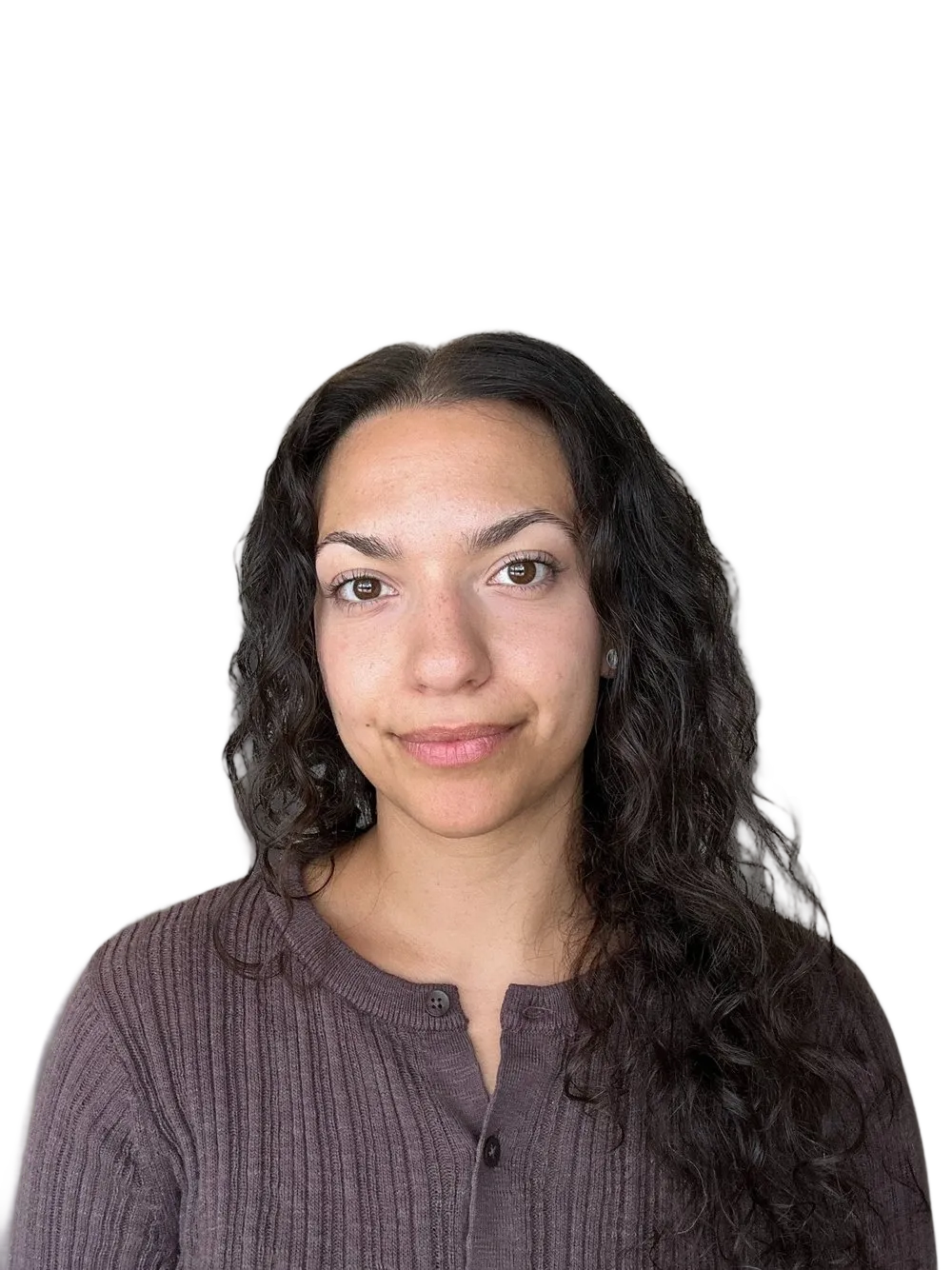
Jessica Bagiamis
Registered Psychotherapist
Schedule a complimentary consultation with Jessica Bagiamis (opens in new tab)Learn more
Rachel Tolkin
Registered Psychotherapist (Qualifying)
Schedule a complimentary consultation with Rachel Tolkin (opens in new tab)Learn more
Alison O’Brien Moran
Registered Psychotherapist (Qualifying)
Schedule a complimentary consultation with Alison O’Brien Moran (opens in new tab)Learn more(FAQ)
Questions about
trauma therapy?

Good trauma therapy is built not to make things worse: we begin with safety, grounding, and stabilization before any processing work, and your therapist checks in throughout so the work stays within what feels manageable - nothing gets rushed.
No. You never have to retell every detail to heal, and you are always in control of what you share. Many trauma approaches - including EMDR and somatic work - help your mind and body process experiences without needing to relive them. We move only at the pace that feels safe for you.
Yes. All sessions are 100% online, available anywhere in Canada, so you can begin from a space where you already feel safe - your own home, no commute, no waiting room. Research shows virtual trauma therapy can be as effective as in-person care for many people.
Many extended health benefit plans cover sessions with registered psychotherapists and social workers. We'll help you understand your coverage during your intake call - so you can focus on healing, not on paperwork.
(Get Started)
Ready to begin
your healing?
It takes 30 seconds. We match you with care.

Let's talk
Whether you have a question, need guidance, or are ready to begin - we're here. Reach out any way that feels right.
Your privacy matters. Everything you share is kept confidential within the limits of the law.
Leave us a message
We respond within 24 Hrs.