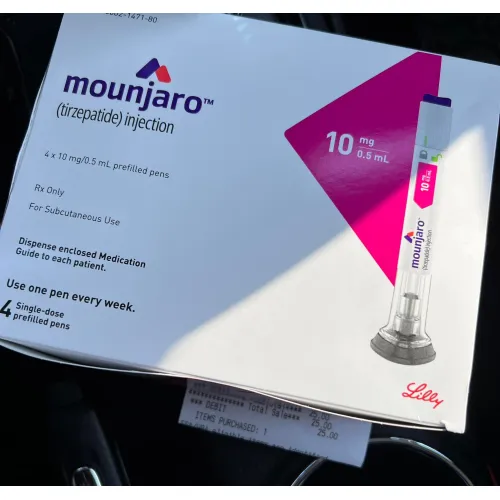
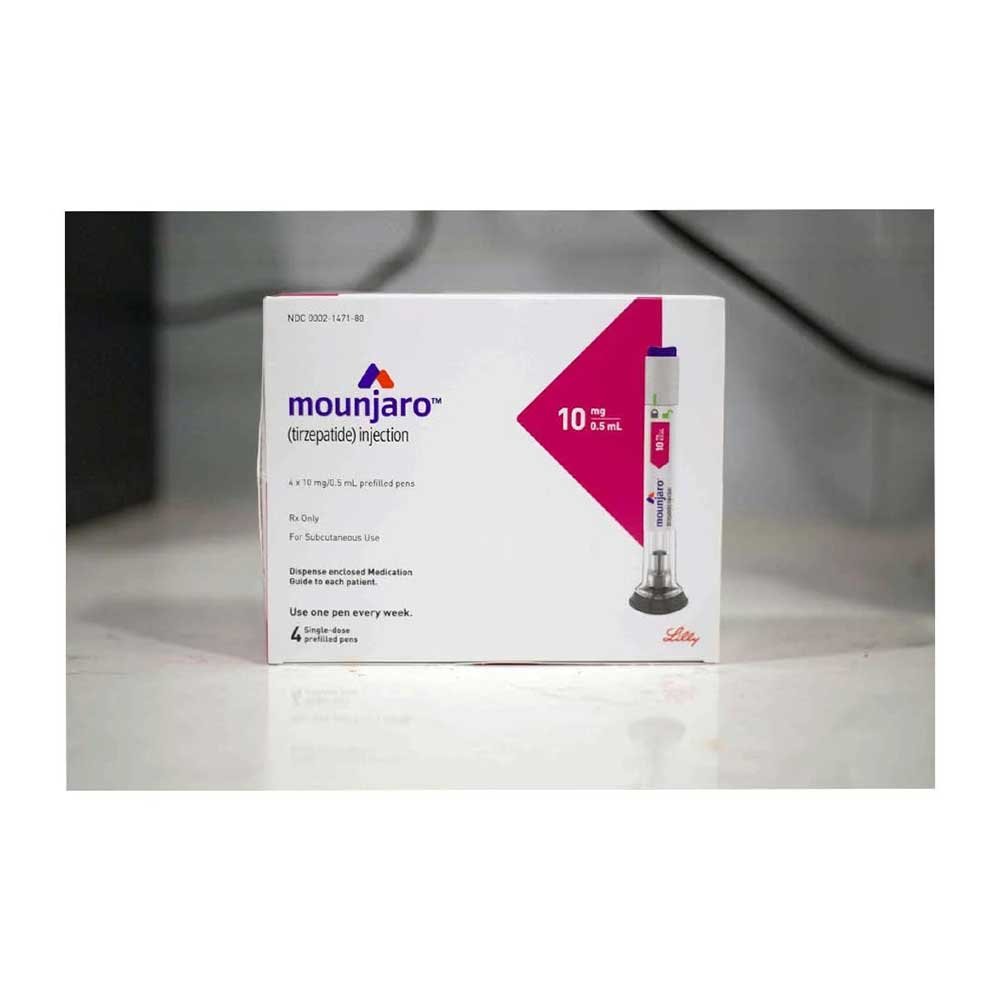
In this study, we sought to explore whether and how lipofuscin contributed to liver fibrosis, and to examine if TZP could alleviate liver fibrosis by intercepting lipofuscin accumulation and neutrophil activation
The most frequently reported side effects include gastrointestinal symptoms such as nausea, vomiting, diarrhoea, and constipation, which typically diminish over time as the body adjusts to treatment
doi: 10.3390/biom15010046 Summary Keywords type 2 diabetes mellitus, psoriasis, semaglutide, a case report, metabolic dysfunction-associated steatotic liver disease Citation Lin B, Huang Q, Weng L and Lin L (2025) Semaglutide in the treatment of a patient with type 2 diabetes mellitus, psoriasis, and metabolic dysfunction-associated steatotic liver disease: a case report
Cochrane SA, Vederas JC (2016) Lipopeptides from Bacillus and Paenibacillus spp.: a gold mine of antibiotic candidates
Factors that increase side effect risk While AOD 9604 has a favorable safety profile, certain factors can increase the likelihood or severity of unwanted effects