autosomal dominant) Psammomatous melanotic schwannoma: Mass effects Lentigines (65%) of face, lips, caruncle, and female genitalia Myxomas of heart (65%), skin (25%), breast (20%) Blue nevi of extremities and trunk Endocrine overactivity Cushing syndrome (25%): Pigmented nodular adrenocortical disease Acromegaly: Pituitary adenoma, mammosomatotrophic type Precocious puberty (30%): Large cell Sertoli tumor of testis Treatment Surgical approaches Resection with tumor-free margins for all lesions Prognosis Benign Recurrence in subtotal resection Malignant Metastasis Distinguish metastases from 2nd primary Prognosis same in conventional and psammomatous variants 15% die of tumor IMAGE FINDINGS MR Findings CT Findings Calcification/ossification on CT in some psammomatous tumors MACROSCOPIC FEATURES General Features 0.5-26 cm (median: 5 cm) Circumscribed Round to sausage-shaped Spinal nerve root tumors: Dumbbell-shaped Occasionally lobulated or cystic No encapsulation Occasionally thin collagen layer with soft tissue invasion Effects of bone Erosion (benign tumors) Invasive destruction (malignant tumors) Cut surface gray to tar black Infrequently cystic Occasional hemorrhage or necrosis Occasional subcapsular grittiness (psammomatous variant) Soft to rubbery
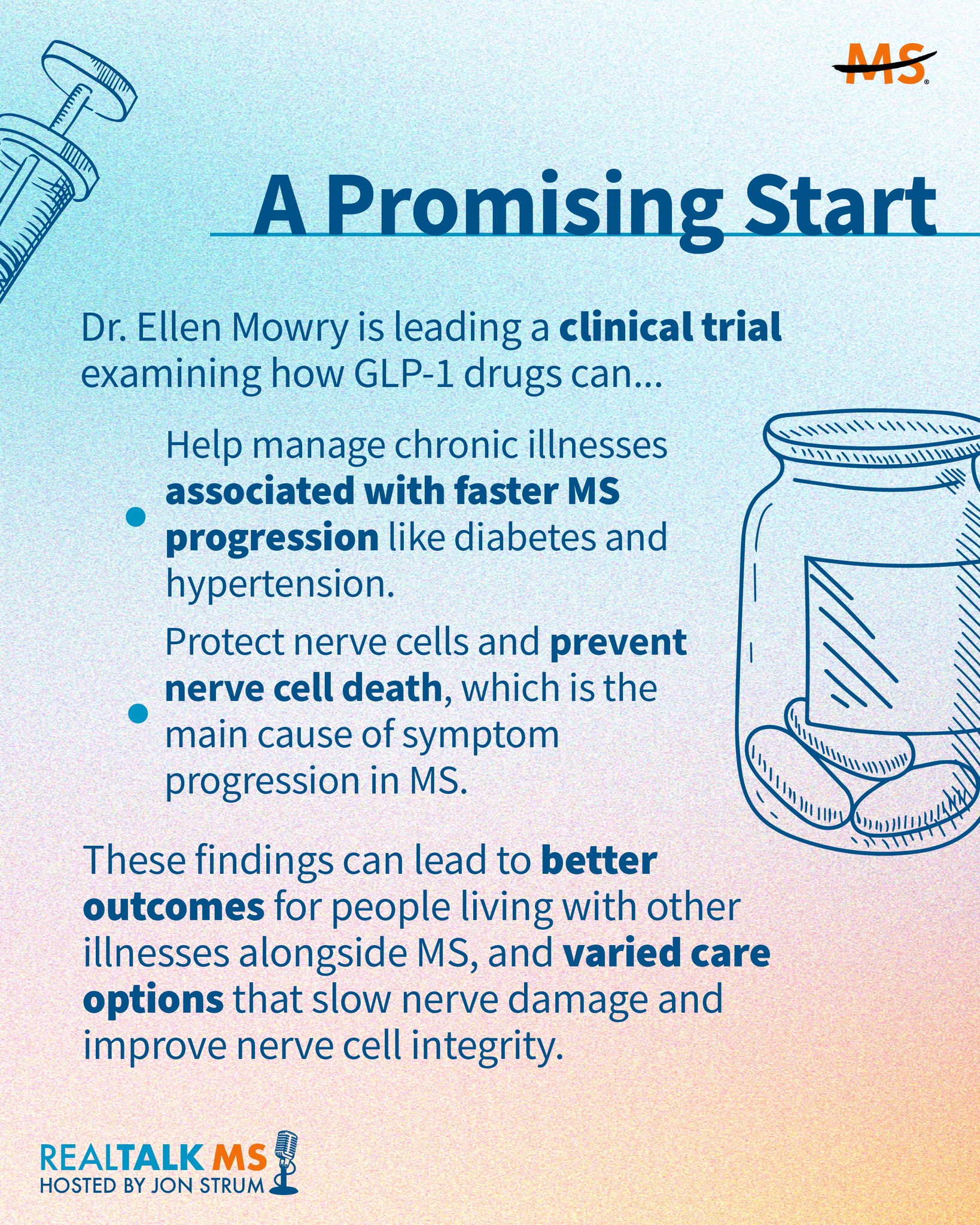
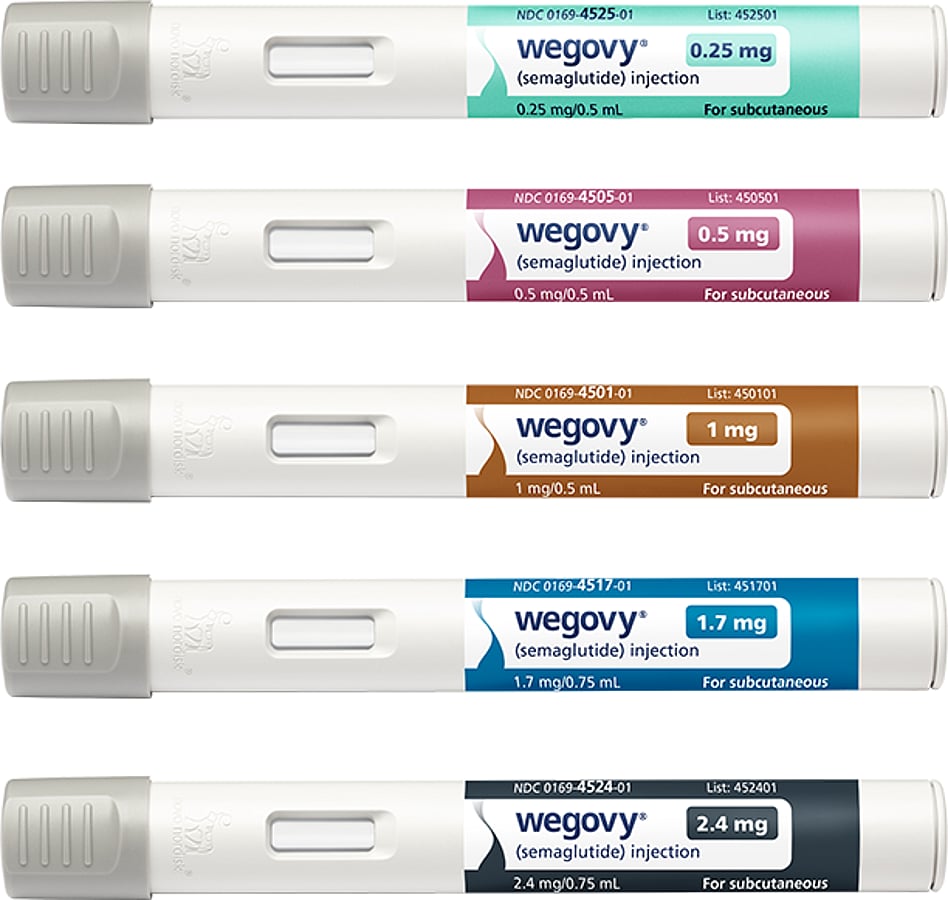
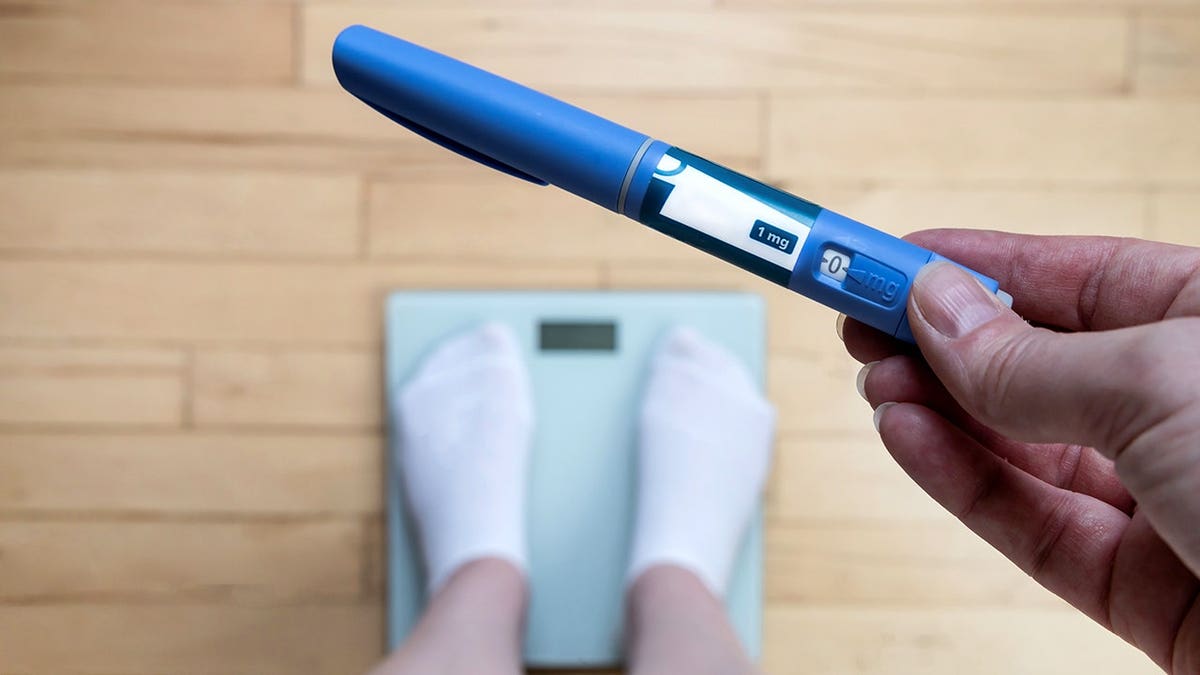
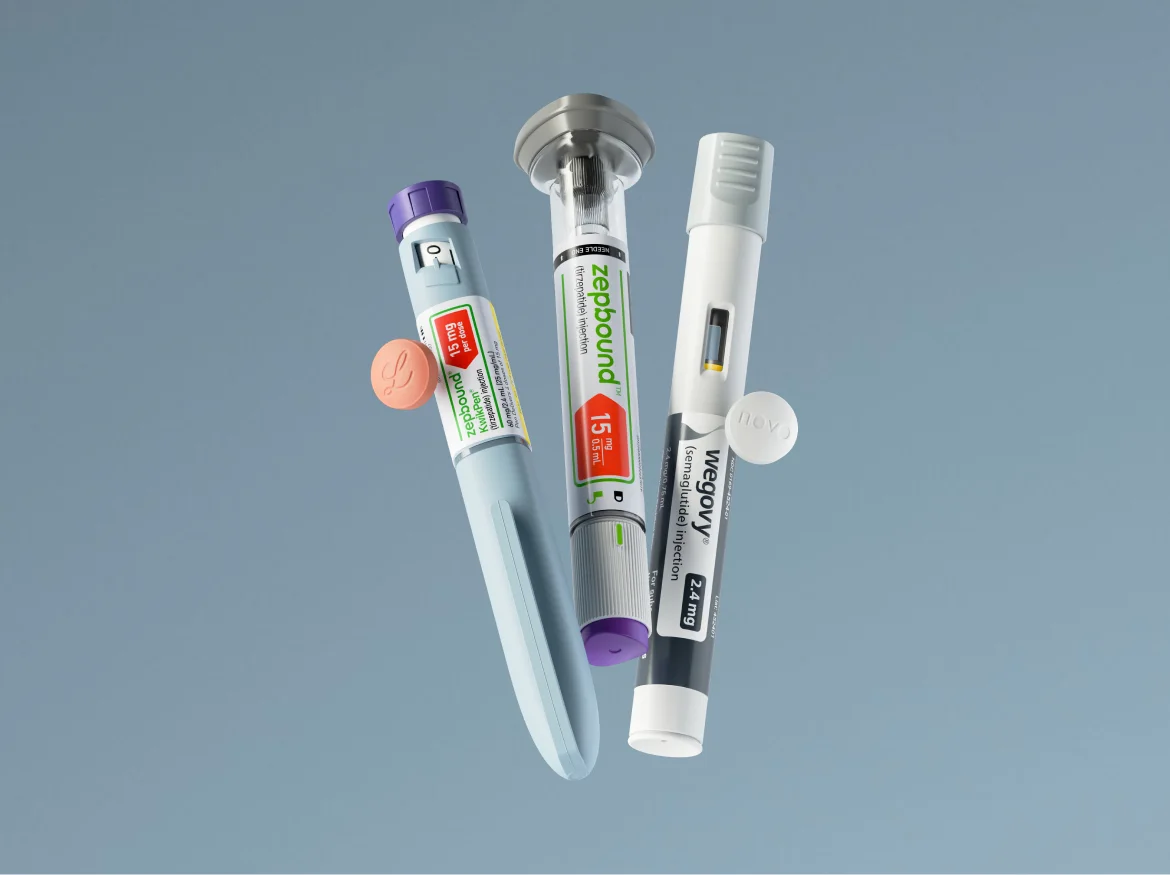
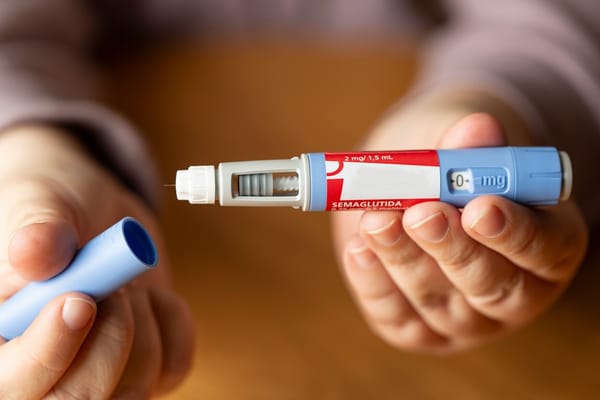
What to Expect From GLP-1 Medications The effects of GLP-1s can be felt almost immediately in some people
Women who are pregnant, breastfeeding, or who have a history of epilepsy, hyperglycemia, or untreated hypothyroidism should avoid sermorelin
Stacks with CJC-1295 and AOD-9604 are also used in functional medicine, with the choice depending on the patient's metabolic and hormonal profile
Empagliflozin reverses obesity and insulin resistance through fat browning and alternative macrophage activation in mice fed a high-fat diet